
Confused about what to ask for at the dog groomers?
There are so many different dog breeds in our lives now and many of them are made up of different coat types, shapes, sizes, lifestyles and habits. It can be confusing to know what to ask for or how to go about knowing how you would like your dog to end up looking after the groom. You may not know if your dog even needs a professional groom?! Here’s the low down…
The 5 Main Coat Types
Double Coat: These coats include a protective outer water and dirt resistant layer and a thermal insulating coat against the skin which protects the dog from the heat in summer and the cold in winter. The undercoat of these breeds can grow very thick and become trapped and tangled under the outer layer. Twice a year these coats go through heavy shedding and this is known as a blowing coat. The breeds in this list are Huskies, Shiba Inus, Akitas, Samoyed, German Shepherds, and Labrador Retrievers.
Wire Coat: Wiry breeds have a harsh and rough coat which is highly protective from water, dirt and debris. They are fairly low maintenance but can still develop matting where the undercoat gets trapped underneath the outer layer. These coats still require the undercoat to be removed with a brush. Breeds in this list are Wire Hair Dachshund, Irish Wolfhound, Irish Fox Terrier.
Curly Coat: The curly coat is primarily made up of undercoat with a few rough guard hairs spread throughout. This coat doesn’t shed the same as other breeds and will carry on growing if we don’t cut it. It is high maintenance as it collects debris and gets wet very easily. The hair can matt easily and requires daily brushing. These include all the Doodles, Portuguese Water Dog, Bichon Frise, and even a Curly Coat Labrador.
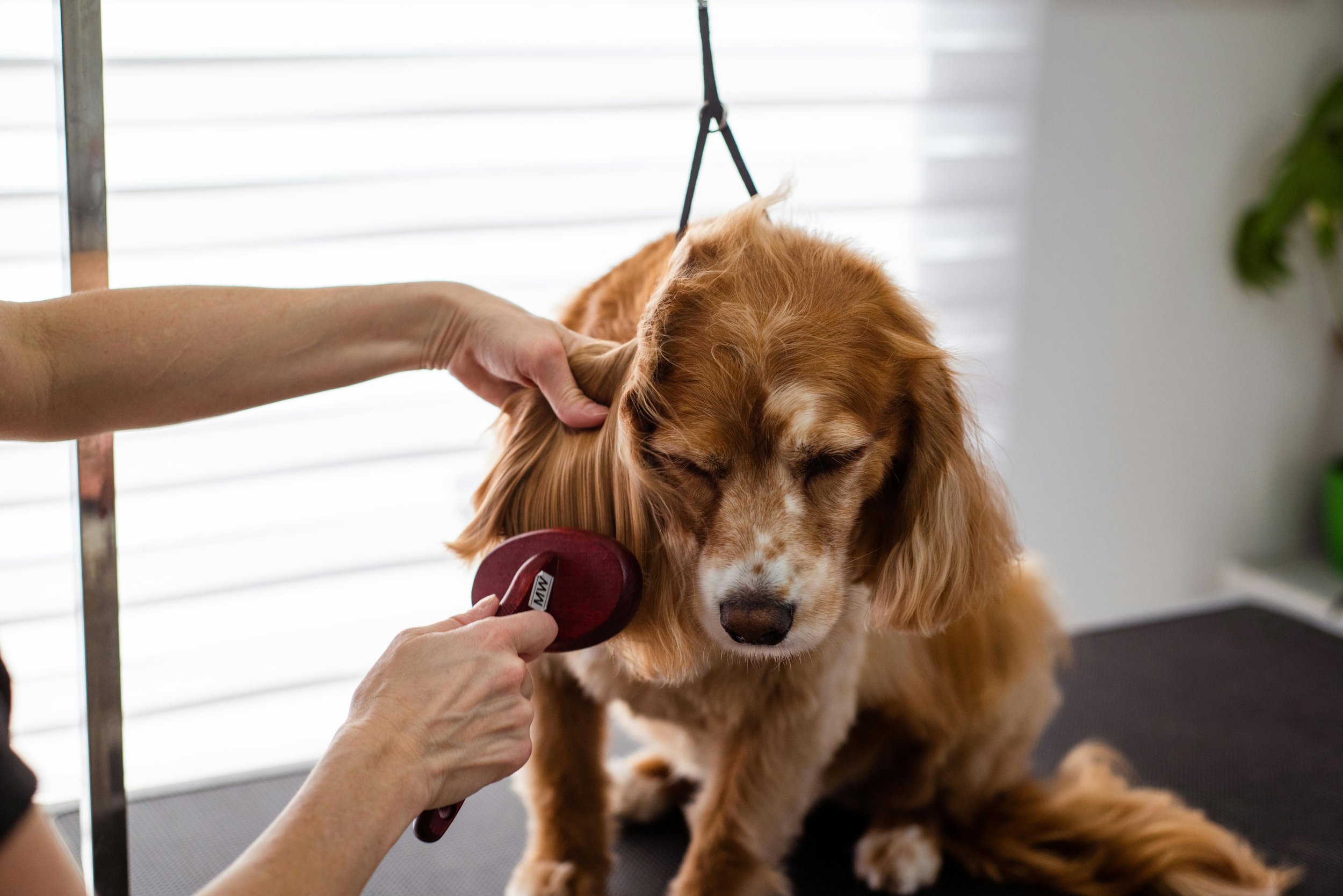
Silky Coat: Silky coats are long and luscious, flowy and blow in the wind. They can get very long and get tangled quite easily. They may require protection from the weather on walks and require daily brushing. These include Afghan Hounds, Spaniels, Yorkshire Terriers, Maltese and Australian Silky Terriers.
Smooth Coat: Smooth coats are shiny and glossy and lay flat against the body, such as Greyhounds, Whippets, Staffordshire Terriers, Beagles, Boxers and Dobermans.
So, does my dog breed need professional grooming?
All dog breeds benefit from dog grooming! Heres why…
Full 7 point health check of the eyes, nose, ears, mouth and teeth, paws and nails, sanitary areas and coat and skin
Reduced matts and tangles
Clean skin and coat
Reduced infections
Clean ears and reduced irritation and infections
Early detection of health issues and skin diseases or pests
Reduced hematoma risk
Healthy nail length and reduced arthritis and injury
Reduced skeletal issues
Reduced shedding
Socialisation
Reduced itching and allergies
Maintains good airflow to the skin and reduces skin problems
Improved cooling in summer and warmth in winter
What should I ask for at the groomers?
Let’s break it down by coat type…
Double: The main thing to ask for for this coat type is a good de-shedding session. It is important to use a good conditioner and a rake to remove all that undercoat that is ‘blowing’. This will help reduce matting, improve skin breathability and reduce skin issues.
Wire Coat: Your groomer’s biggest question for you with this coat is if you would like it to be hand stripped. This is a natural way of managing the coat by hand pulling the dead hairs out; this is a painless process that would happen naturally on its own when these breeds used to run through undergrowth and rabbit holes which would naturally grab the hair and removed the dead coat and leave behind the new shiny and colourful coat. This is a great way of managing the coat as it enhances the natural texture and qualities of the coat and looks healthy and lustrous. This coat an be clipped instead which is a faster grooming session but requires more frequent visits.
Curly Coat: The curly coat is most commonly clipped due to its matting and tangling and requires trimming as it will continue growing.
Silky Coat: The silky coat will have lots of long bits and tangly bits which is high maintenance at home. You may prefer to leave this long and luscious or ask to have it trimmed or clipped. With breeds such as Spaniels, Setters and Silky Dachshunds, your groomer will want to know if you are having the coat hand stripped. This is a great way of promoting the texture of the coat and help it to look shiny and healthy.
Smooth Coat: You will want to ask to have a de-shedding session on a dog of this type which wil greatly reduce the amount of hair that end up in your home and will leave your dog feeling comfortable.
So, what about styles and trim types?
It can be confusing to know where to start with styles, so here is a basic guide…
Breed Standard - If you would like to represent your dog’s breed more authentically then you may like a breed standard cut. The breed standard is an official criteria of coat texture, style, grooming method, silhouette and structure for the pedigree breed.
Kennel Cut - A kennel cut is a very short uniform clip all over the body, face, legs, and tail. The length is under 1 inch and is a great low maintenance cut if your dog loves running through all the mud and puddles!
Puppy Cut - The puppy cut is similar to the kennel cut as it is short and uniform but usually 1-2 inches long. Its is another low maintenance cut with a it more length. Great if you want a bit more fluff but a neat and low maintenance coat.
Pet Cut - The pet cut is the most versatile style and is completely adapted to the style you would like. It often takes into consideration the lifestyle of the dog as well as aesthetics. With this cut you can have any bit as long or short or round or slim as you like.
Lamb Cut - This cut includes using a short uniform clip on the body and leaving the legs fluffier and slightly longer. This is a low maintenance style with a bit of extra fluffiness.
Outline Trim - For those breeds that have no clipping, an outline trim can be carried out to tidy up the coat. The groomer will use blenders and scissors and follow the whole outline of the dog’s silhouette to neaten it up. They will talk about the ‘feathers’, which are the long hairs on the back of the front limbs, and the ‘knickers’ which is the hair on the bum cheeks. The feathers on breeds like golden retrievers, spaniels and collies can become quite long but these can be left as long or short as you want them. An outline trim can be carried out following a de-shed or hand stripping session.
Hygiene cut - This is great to ask for if your dog has issues with intimate hygiene and matting. The genitals and anus are clipped with a short and safe clipper blade and is quick and painless. Removing the hair allows for improved hygiene from soiling and comfort by reducing matts in these sensitive areas.
Face and Feet Tidy - Lots of faces and feet become overgrown and straggly with hair in the eyes, nose and fluffy feet traps dirt, moisture and matt easily. A face and feet tidy will be carefully carried out to trim the hair around the eyes, on top of the muzzle and around the mouth to remove matts, discoloured hair and help your dog’s eyes sparkle again!
Hand stripping - Hand stripping is the hand pulling of dead hair to promote the new fresh looking coat underneath. The process is painless and usually happens every 3-6 months. the sessions take longer than clipping but will promote a more protective coat and stimulate the hair follicles and skin for healthy blood flow. the removal of these hair allows for new hairs to grow through easily compared to clipping which can congest the hair follicles.
Has all this talk about feathers and knickers still got you confused?
Here are some final extra tips…
Look for photos of your dog breed or coat type and save images of what you like or aspects that you look for. Share these with your groomer so they can see what sort of style you are hoping for.
Think about your dog’s lifestyle and how their grooming style or length may help them be more comfortable.
Be honest about your ability to keep on top of grooming at home, your groomer won’t judge you, they will want to help make your life and the dog’s life easier and more comfortable.
When discussing the length of the coat you would like, try and think of an exact measurement in millimetres so that you don’t end up with a dog too short or too long.
Don’t be afraid to ask lots of questions to your groomer, they will be happy to discuss and suggest what might work well for your dog.
Now you have a good understanding of all the coat types and options for grooming, I hope you feel more confident to communicate with your groomer to get the most out of your grooming session and have a healthy and happy pup!
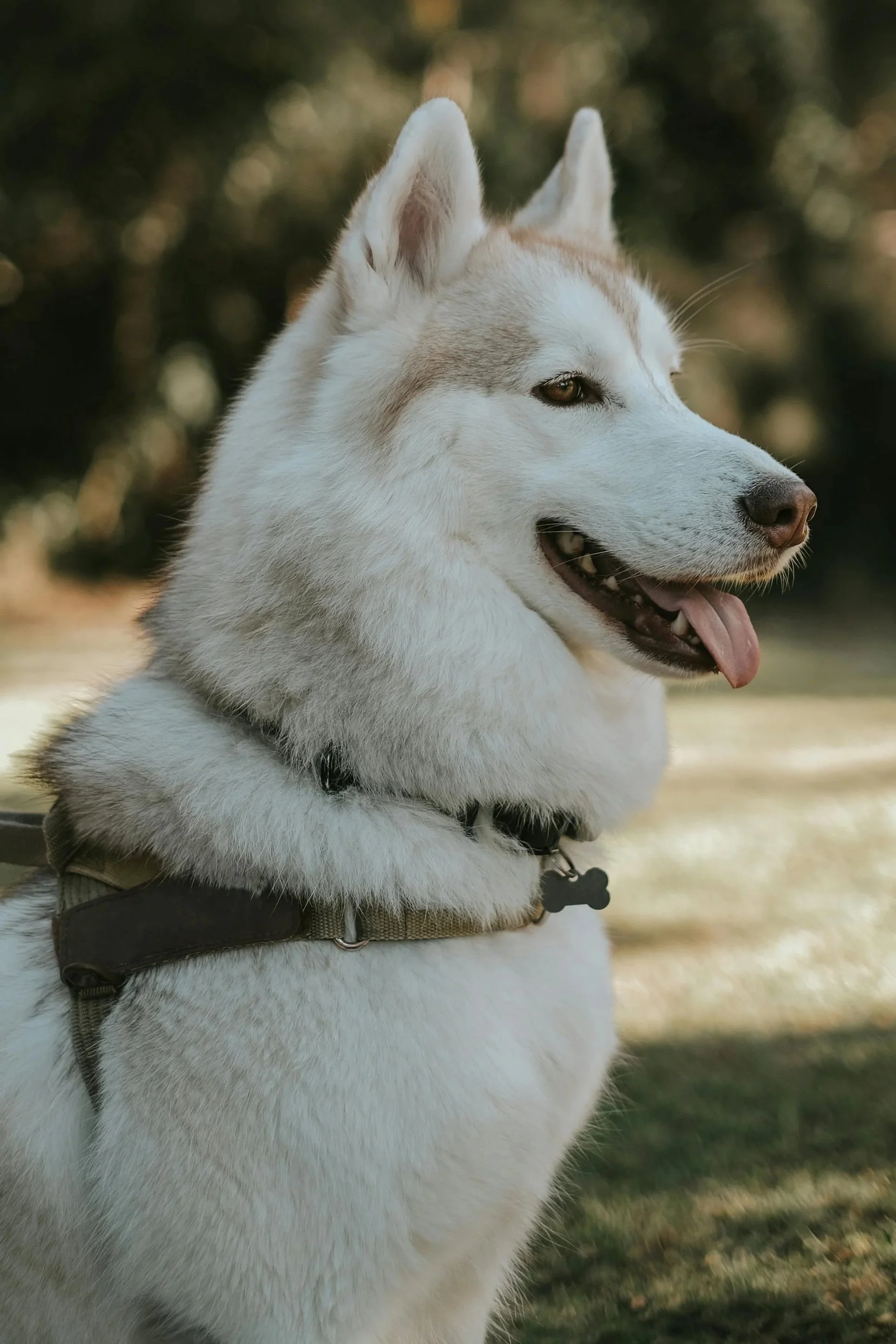
Huskys have a double coat.
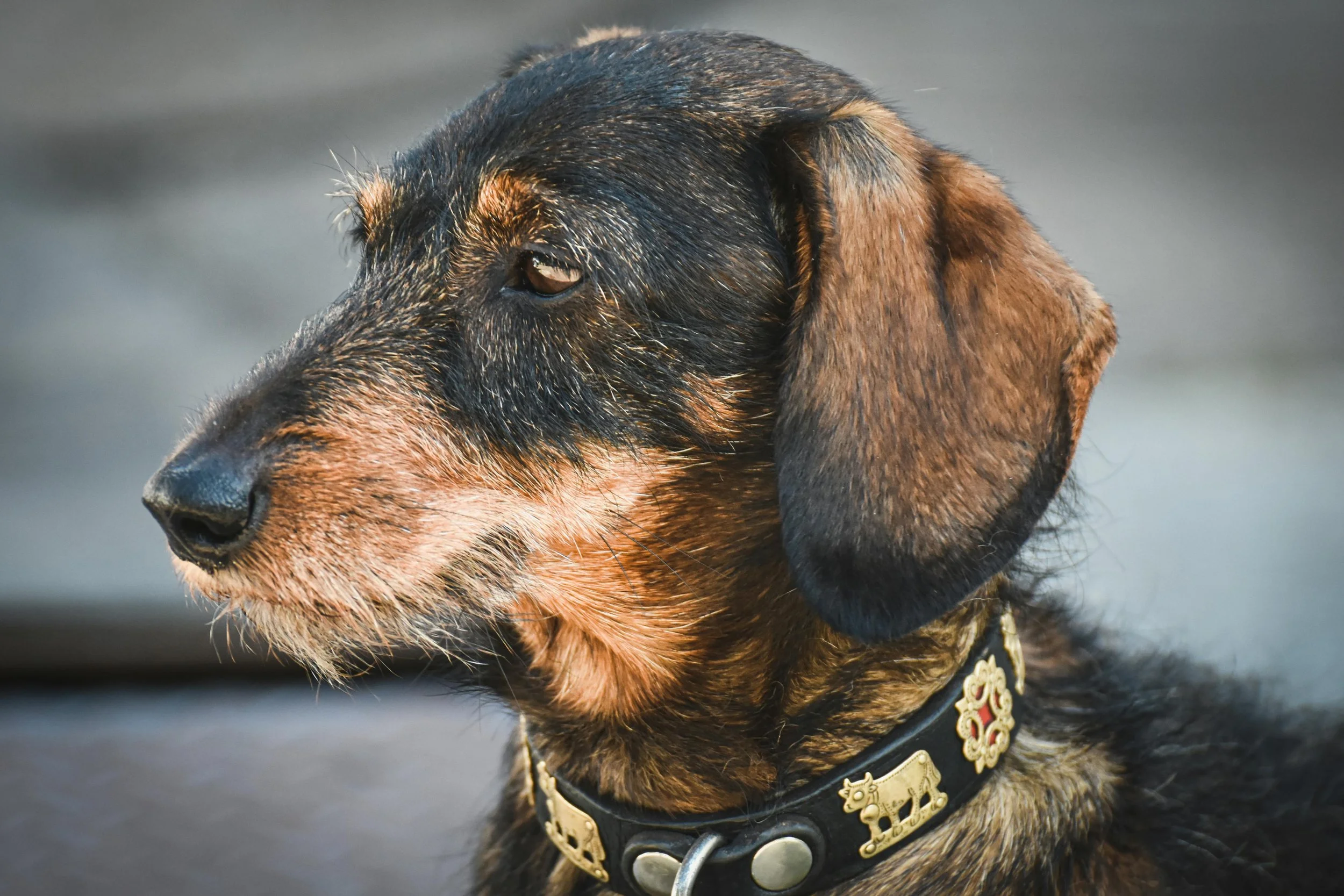
Wire Coat Dachshund
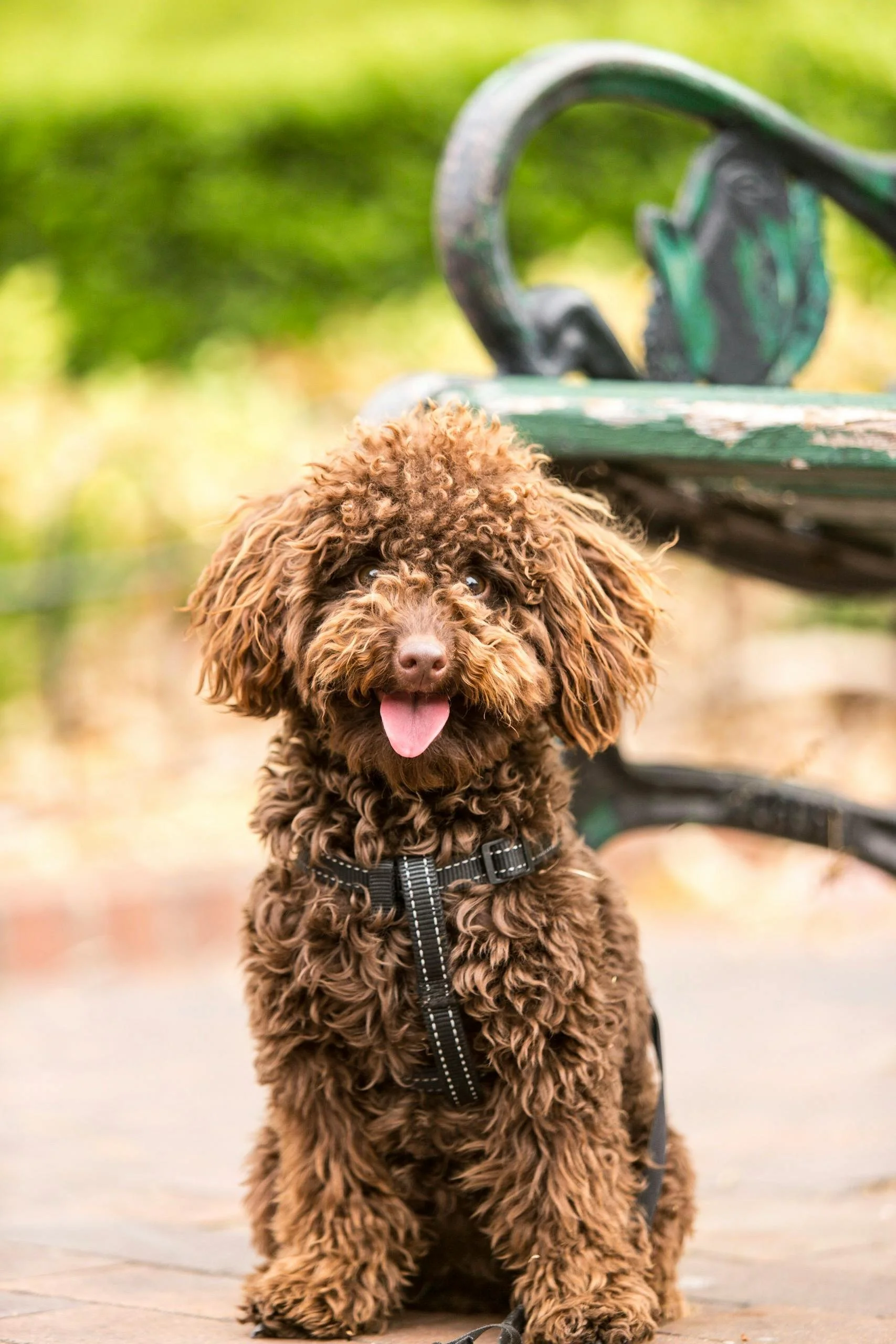
The curly coat
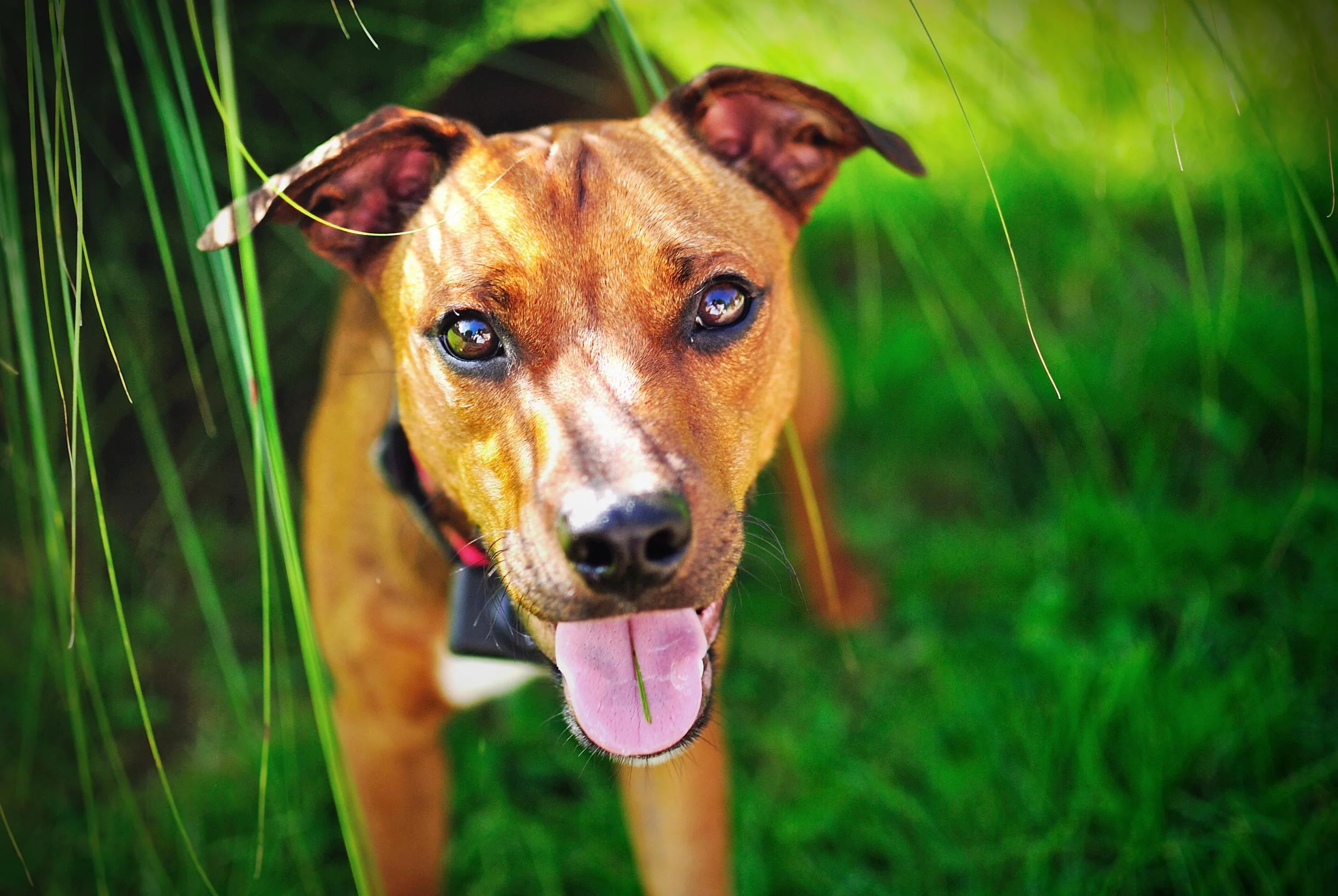
The smooth coat